US-Backed Mining Deal in Congo Faces Scrutiny Over Firm’s Claimed Experience
Virtus Minerals’ Congo Mining Credentials Questioned After $30M Chemaf Deal in US–DRC Critical Minerals Partnership
A U.S. company at the center of Washington’s strategy to secure critical minerals from the Democratic Republic of Congo (DRC) has come under scrutiny after questions emerged about the accuracy of its mining credentials.
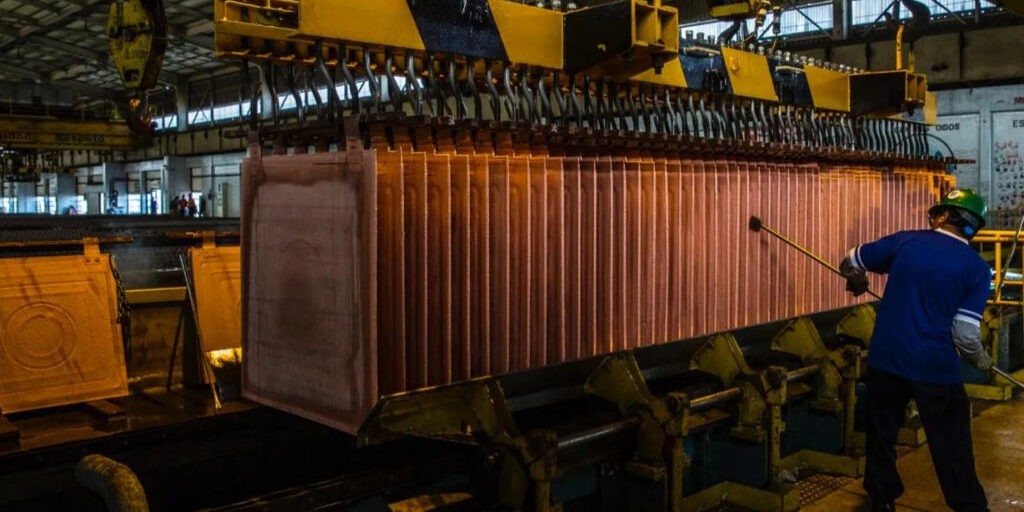
Virtus Minerals, which acquired Chemaf’s mining assets in March for approximately $30 million from the company’s shareholders, had previously indicated that it possessed operational experience in the DRC through involvement in a copper and cobalt processing facility.
However, records and industry sources indicate that the company did not ultimately acquire the facility in question, and that the plant has remained inactive since 2012.
The Chemaf transaction represents the first tangible investment linked to the U.S.–DRC strategic minerals partnership signed in 2024.
Under the agreement, the United States committed to supporting investment in Congo’s mining sector in exchange for improved access to critical minerals, part of a broader effort to diversify supply chains and reduce reliance on Chinese-controlled production.
A senior Congolese official familiar with the approval process indicated that the security and operational background of senior Virtus executives was a factor in the government’s decision to approve the transaction.
The United States has been engaged in diplomatic efforts aimed at stabilizing eastern Congo and mediating tensions with neighboring Rwanda.
Virtus declined to provide detailed public comment regarding the extent of its mining operations in the DRC.
The country’s Ministry of Mines and state-owned mining company Gécamines, which holds the lease to Chemaf’s assets, also did not respond to inquiries regarding the company’s track record or how its credentials were evaluated during the approval process.
Strategic Investment and Policy Context
The U.S. State Department has publicly expressed support for the acquisition, describing it as an important step in strengthening American participation in the Congolese mining sector.
Officials characterized the deal as a potential flagship investment intended to demonstrate sustained interest from the U.S. private sector and to encourage additional foreign investment in critical minerals development.
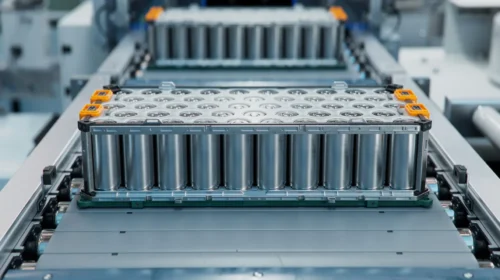
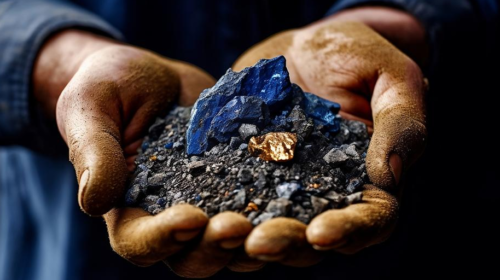
Industry observers note that the transaction carries strategic significance given Congo’s dominant position in global mineral supply chains. The country produces more than 70 percent of the world’s cobalt, a key input for electric vehicle batteries, and holds substantial reserves of copper and lithium.
Governance and transparency advocates have emphasized the importance of rigorous due diligence in projects of this scale, particularly given the strategic importance of critical minerals and the complexity of mining operations in the region.
They argue that investors must demonstrate sufficient technical, financial, and operational capacity before undertaking major asset acquisitions in the sector.
Questions Over Operational Footprint in Congo
Earlier corporate materials stated that Virtus executives had established and operated an American-owned copper and cobalt mining and processing business in the DRC through a subsidiary known as ROK Metals.
However, available records suggest that ROK Metals’ primary planned asset a copper-cobalt processing plant in Likasi, located in Haut-Katanga province was never successfully acquired.
The facility had been inactive since 2012 following financial distress experienced by its owner. Multiple attempts to sell the plant were postponed or canceled after prospective buyers failed to complete payment obligations.
Judicial and financial sources indicate that the plant remains under the ownership of its original operator and has not resumed operations.
Virtus is led by Chief Executive Officer Phil Braun, a former U.S. Army special operations veteran, and Andrew Powch, a former U.S. Navy officer.
Neither executive provided detailed public comment regarding the company’s operational history in the Congolese mining sector.
Failed Acquisition Attempts and Grant Suspension
Virtus’ founders previously operated in the DRC through an entity known as Virtus Capital and Operations.
Corporate disclosures from that period referenced ROK Metals as the company’s principal project in the country.
ROK Metals sought to acquire the Likasi processing facility as part of a strategy to establish copper and cobalt production capacity. Despite ongoing negotiations, the acquisition was never finalized.
Even while ownership of the plant remained unresolved, company communications continued to describe the project as an active development initiative.
In June 2024, the U.S. development agency USAID announced a grant of approximately $2 million intended to support increased copper output associated with the project.
The grant was later suspended in August 2024 after officials requested documentation confirming ownership of the facility.
Records indicate that reinstatement of funding was contingent upon proof that the acquisition had been completed.
Sources familiar with the matter state that no funds were ultimately disbursed before the agency’s restructuring in 2025.
Implications for the US–DRC Minerals Partnership
The situation has drawn attention to governance and verification standards in strategic mining partnerships, particularly as Western governments seek to expand access to critical minerals essential for energy transition technologies.
Analysts note that early-stage investments often carry elevated operational and reputational risk, especially in frontier mining jurisdictions where regulatory oversight and infrastructure capacity can vary significantly.
The Chemaf acquisition remains operationally significant despite the controversy, as it marks the first major U.S.-linked physical investment tied to the bilateral minerals initiative.
How effectively the project progresses will likely influence future investor confidence and the credibility of efforts to build alternative supply chains for critical minerals outside traditional dominant producers.